Journal
The Legacy of Valais 2025
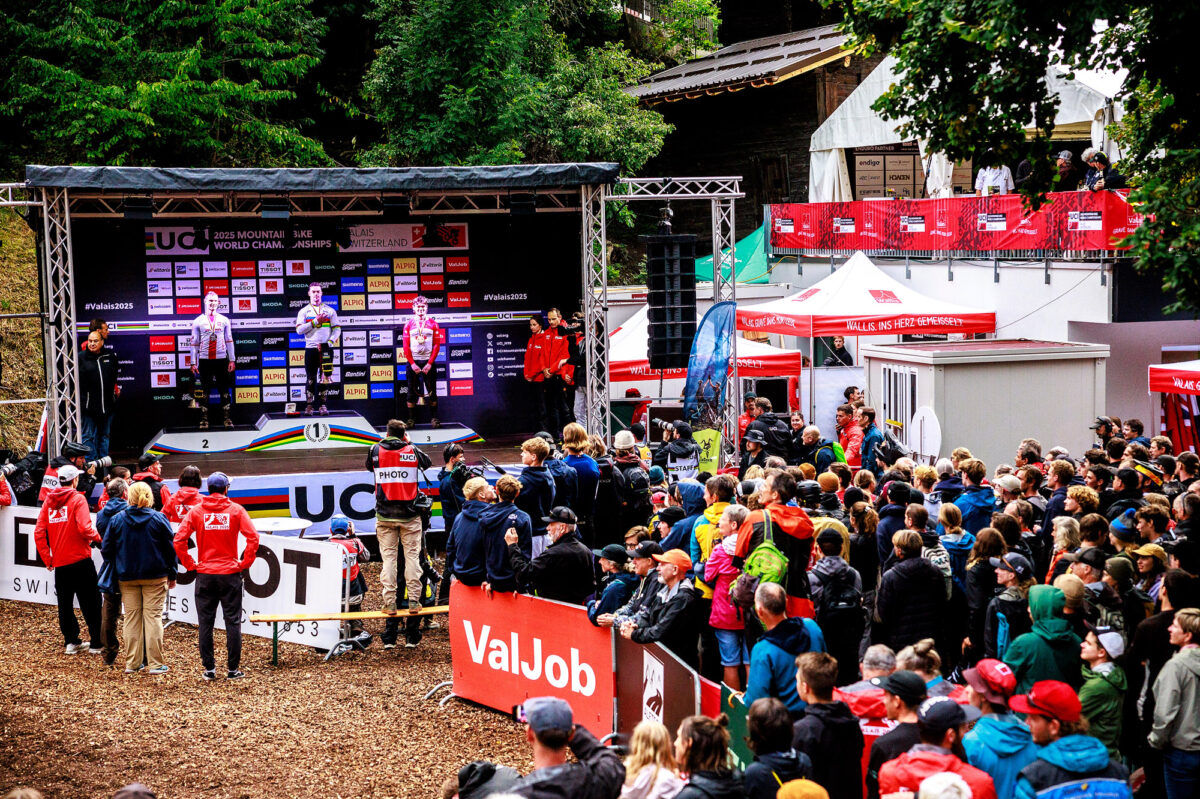
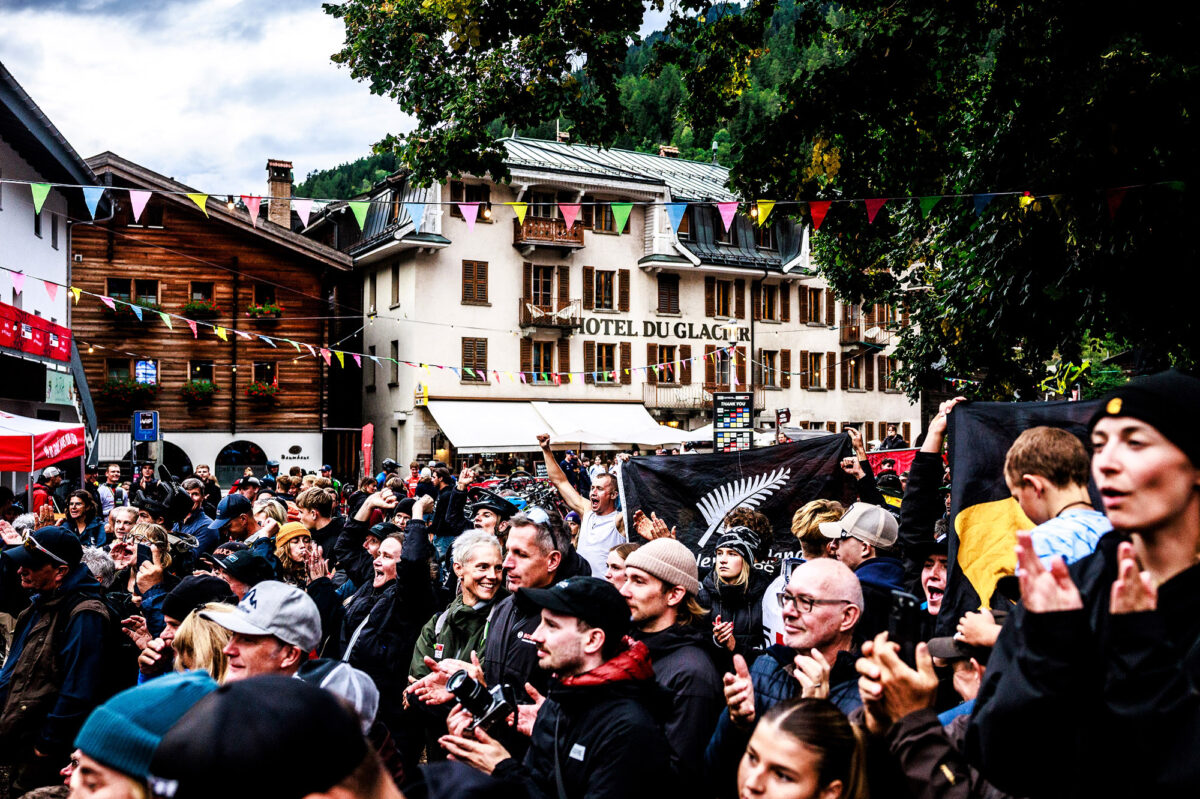
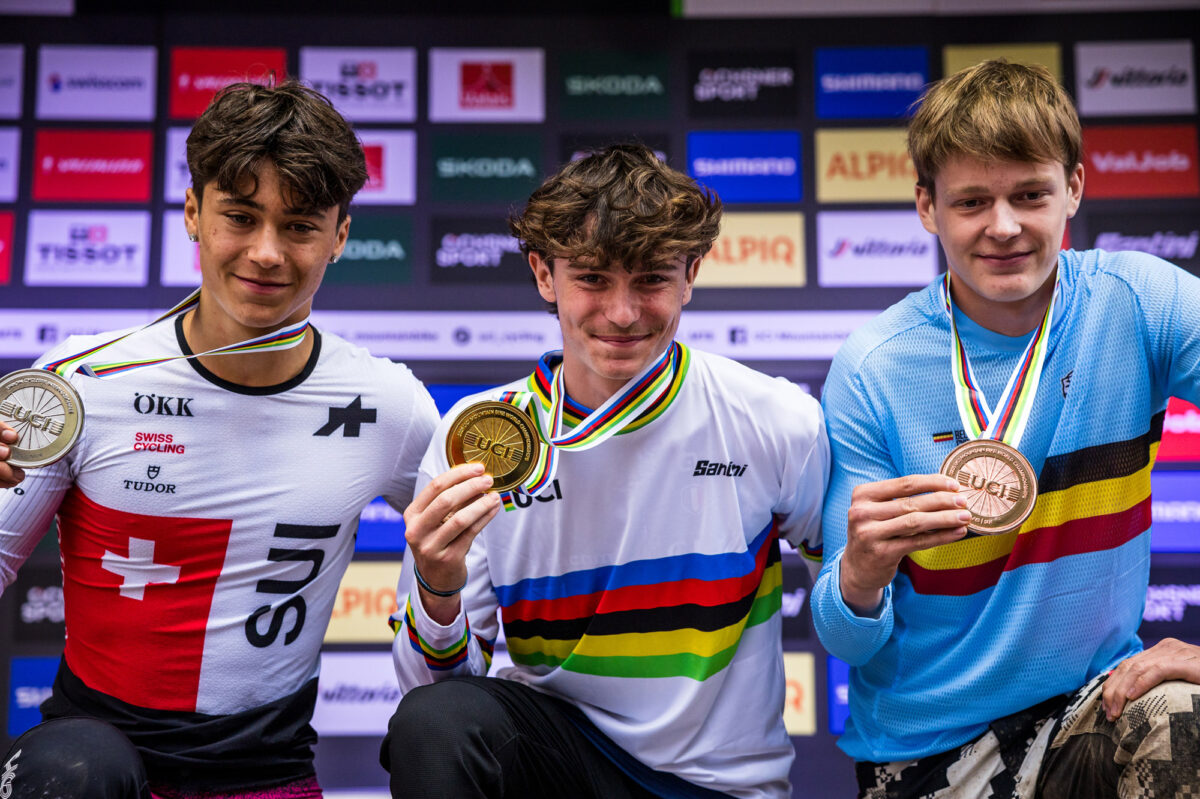
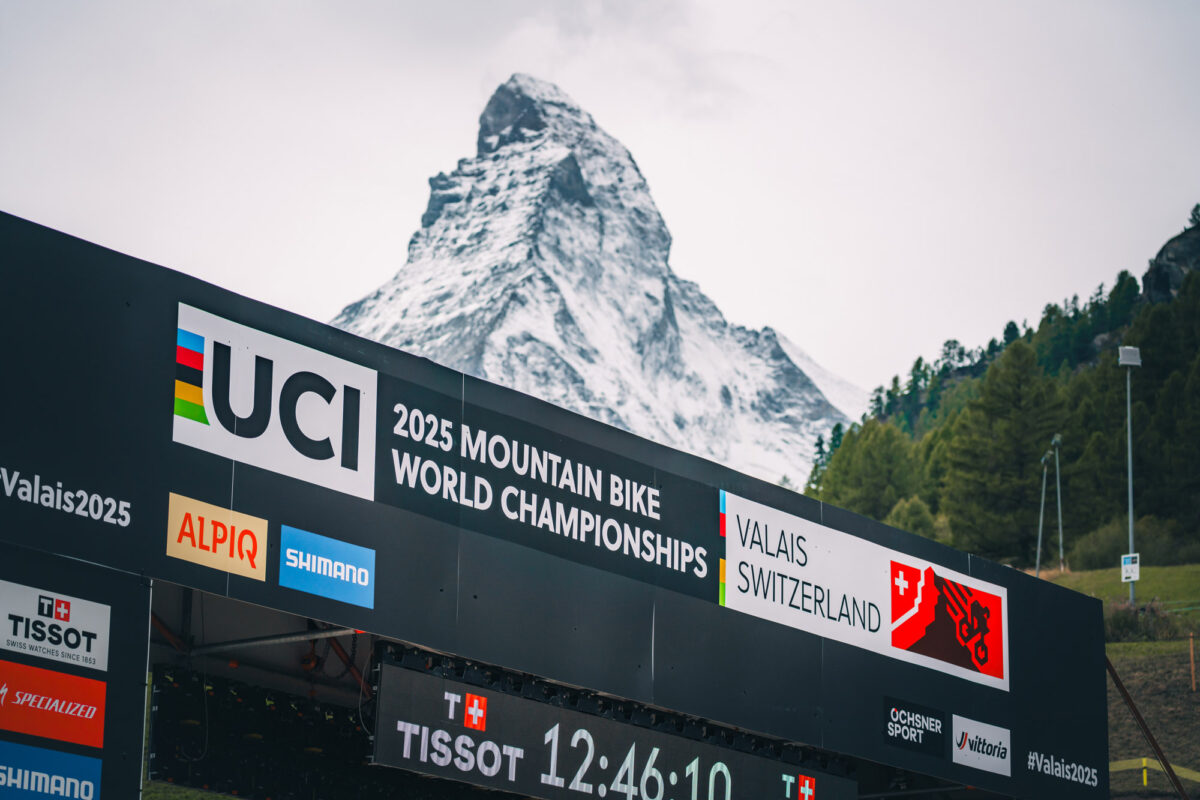
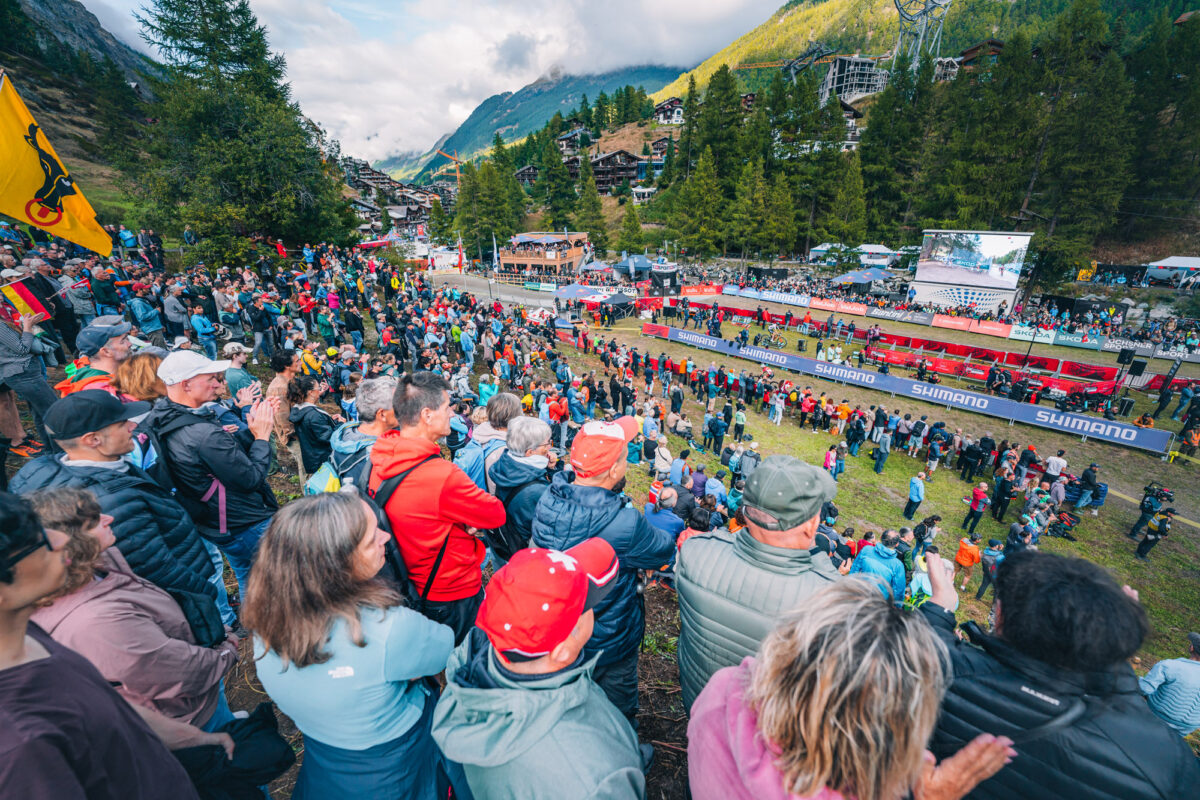
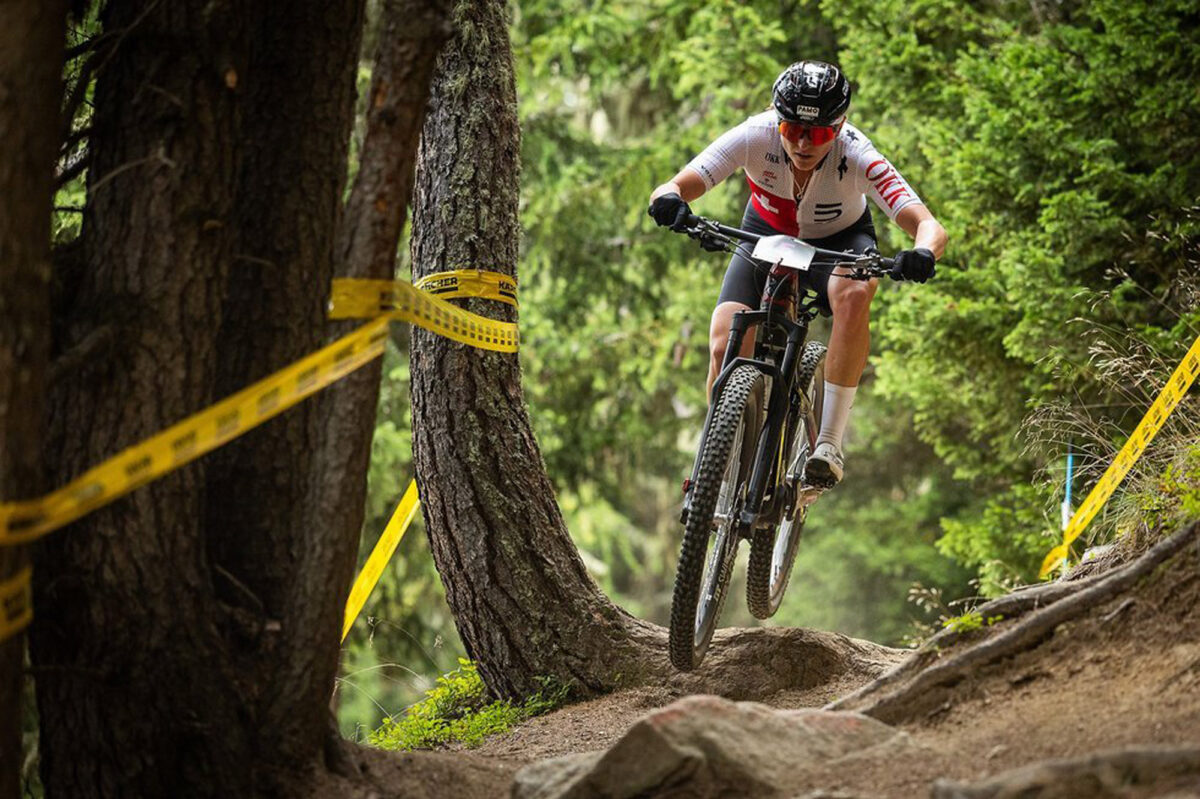
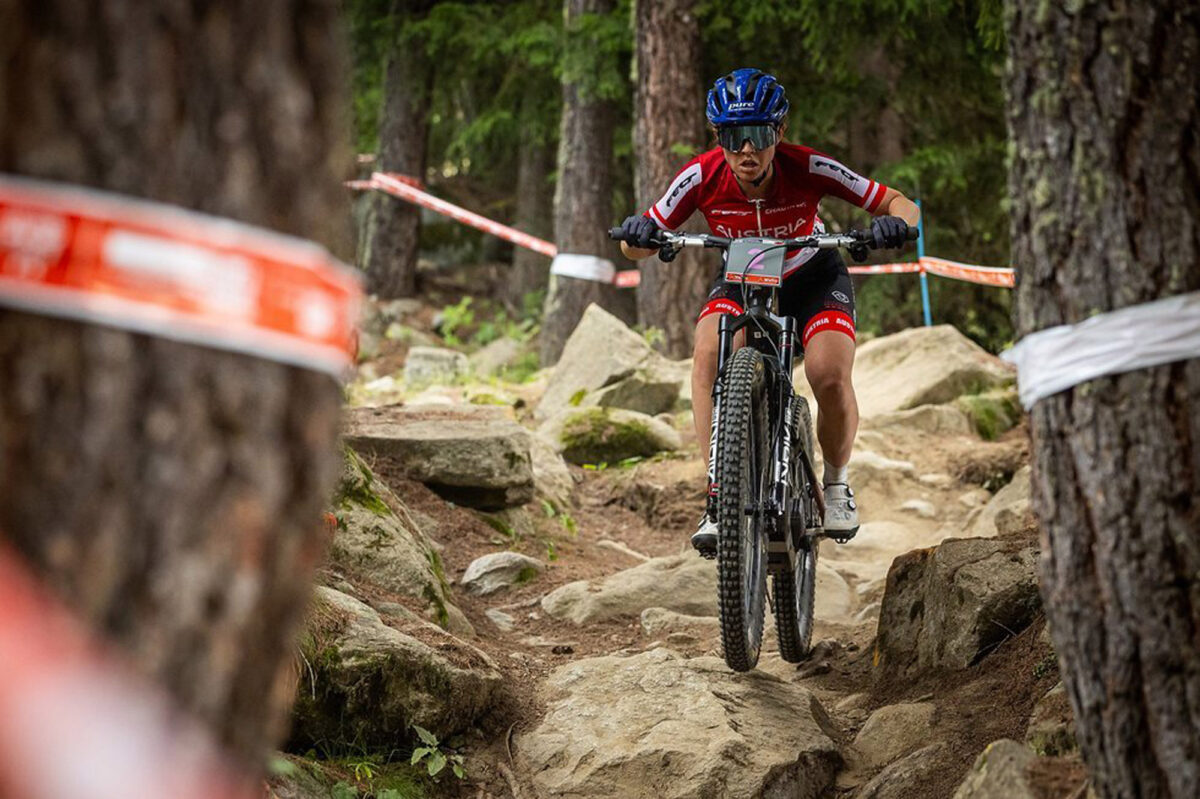
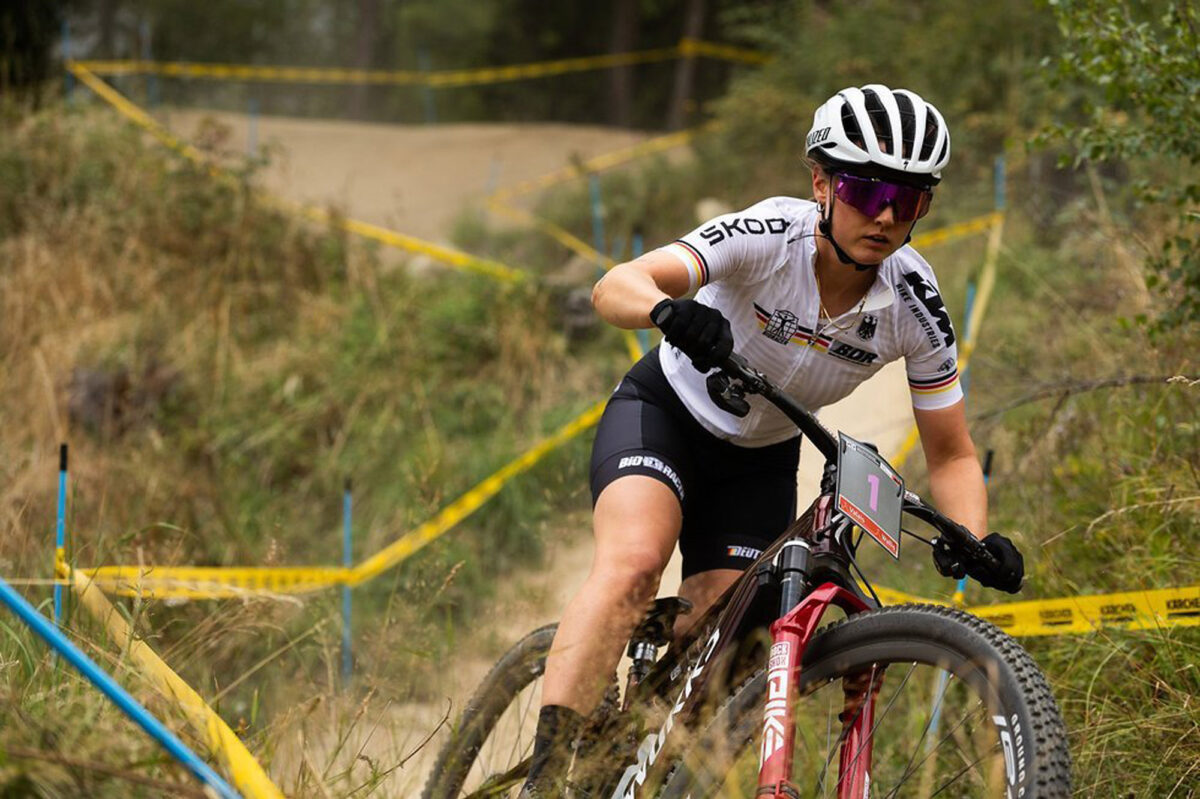
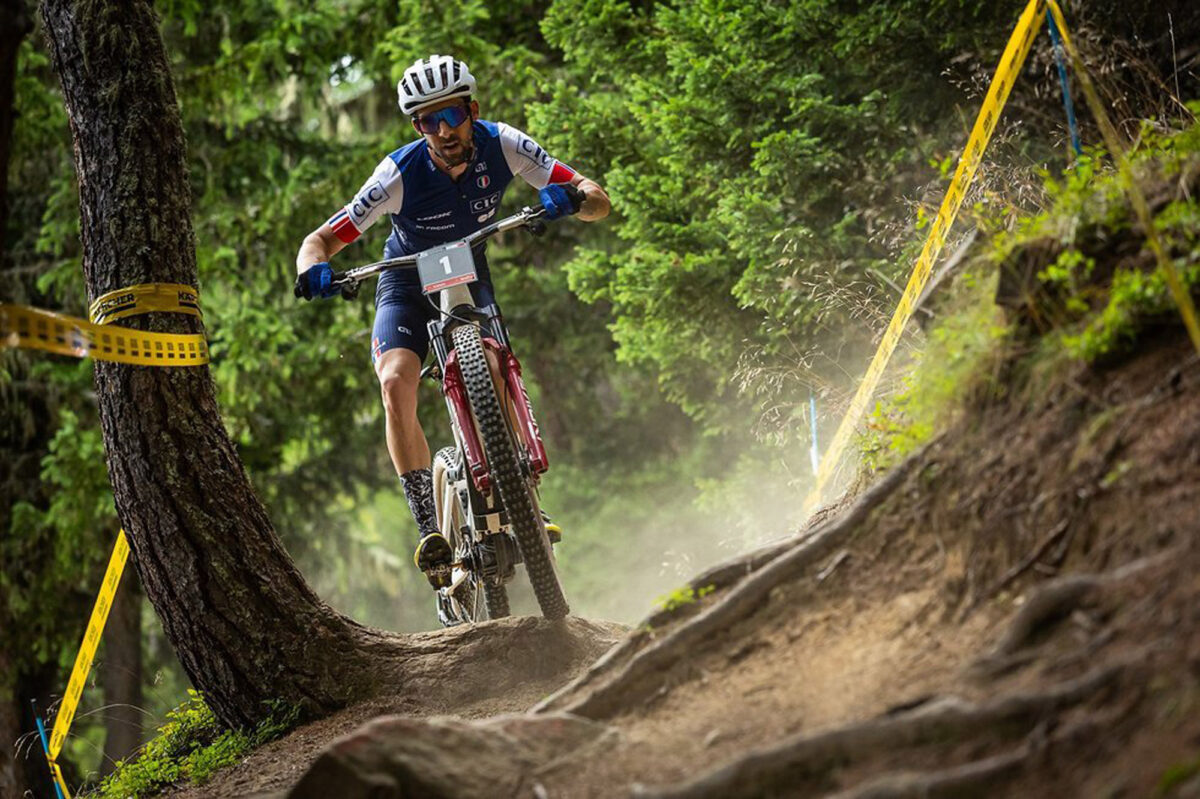
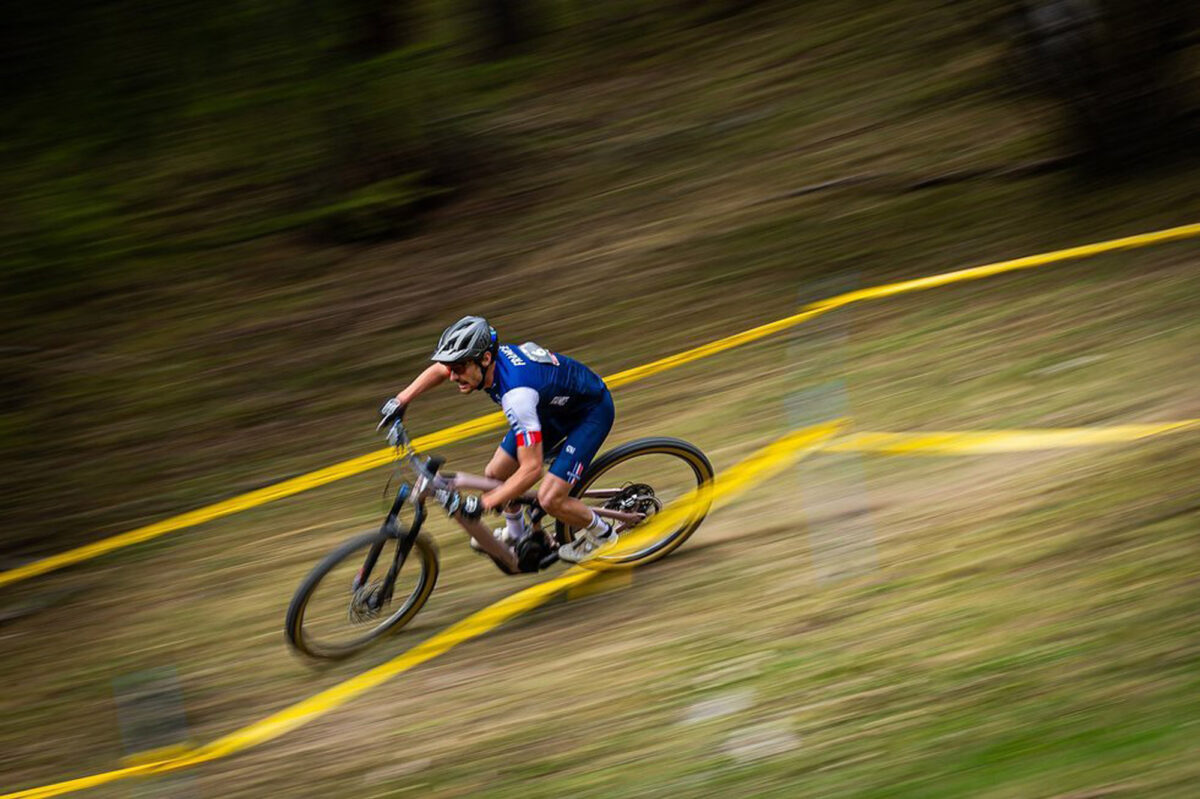
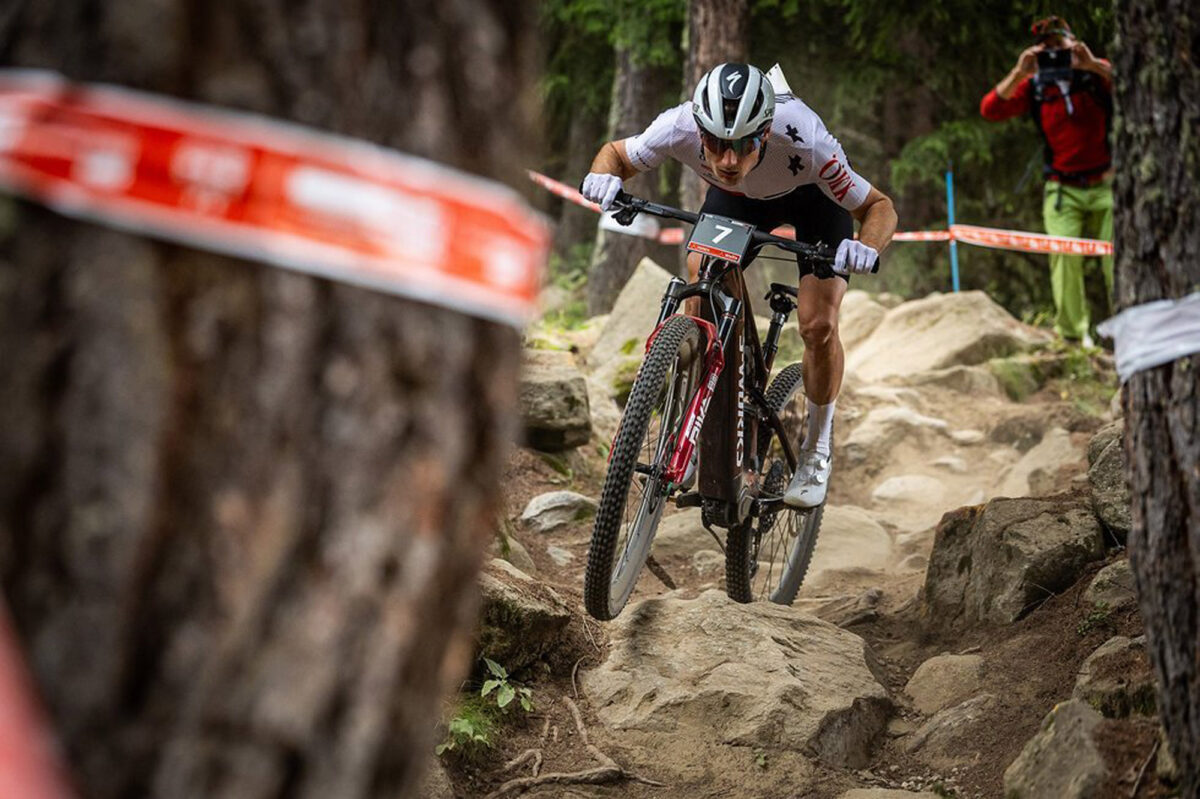
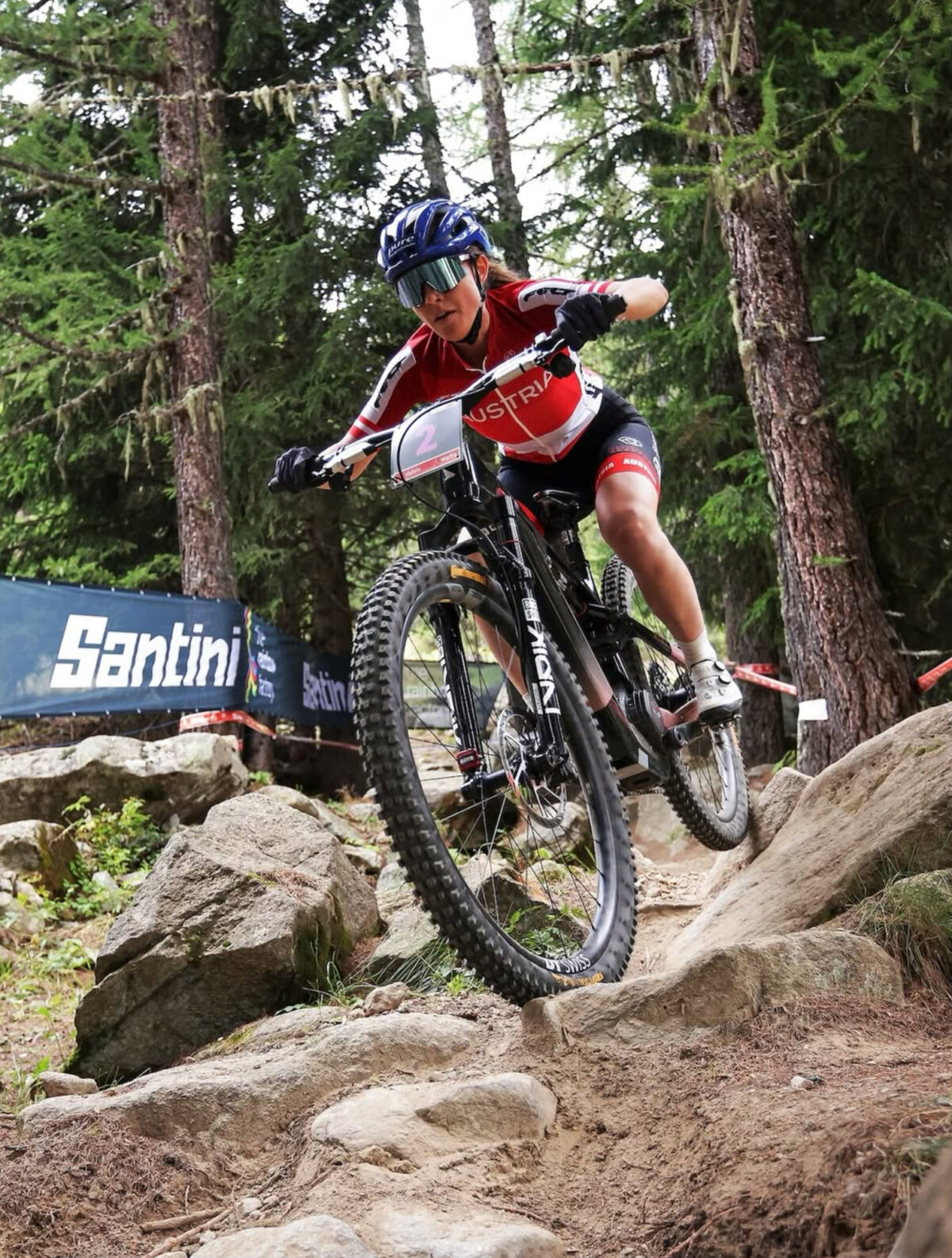
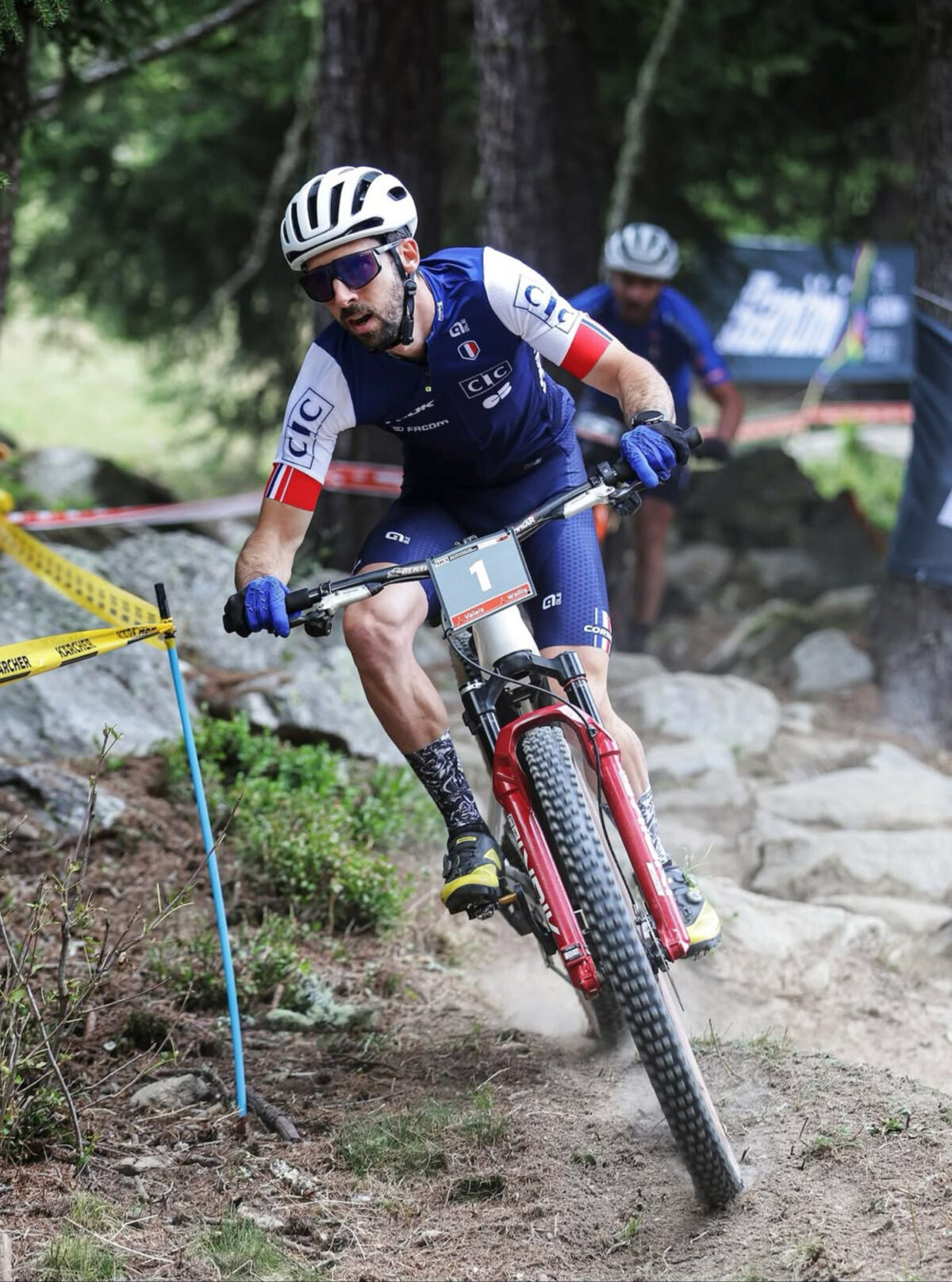
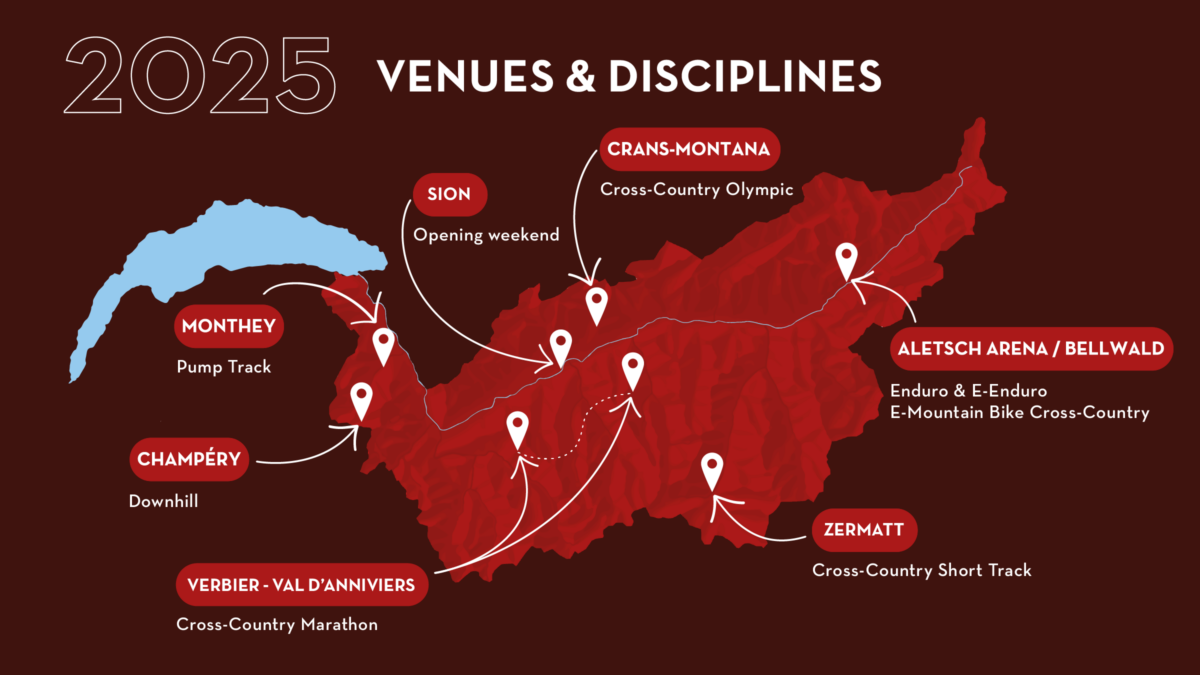
From August 30 to September 14, 2025, Valais became the center of the mountain bike world. For the first time, all eight disciplines were united in one region. 1,228 athletes from 60 nations competed for 27 world championship titles across eight venues. More than 100,000 spectators created a unique atmosphere on-site and drew worldwide attention to Valais as a rising mountain bike destination. Vast Trails was conceptually and structurally involved in three competitions. We portray Aletsch Arena (Enduro), Zermatt (Short Track), and Bellwald (E-MTB Cross Country). Around two months later, we look back on the three title races and explore how this major event has influenced – and will continue to influence – mountain bike tourism, infrastructure, and local communities.
Authors: Levi Luggen, Philipp Bont & Severin Schindler
Photos: Boris Beyer, Sven Martin & Gabriel Perren
#1 Enduro – A Ride Across an Entire Destination
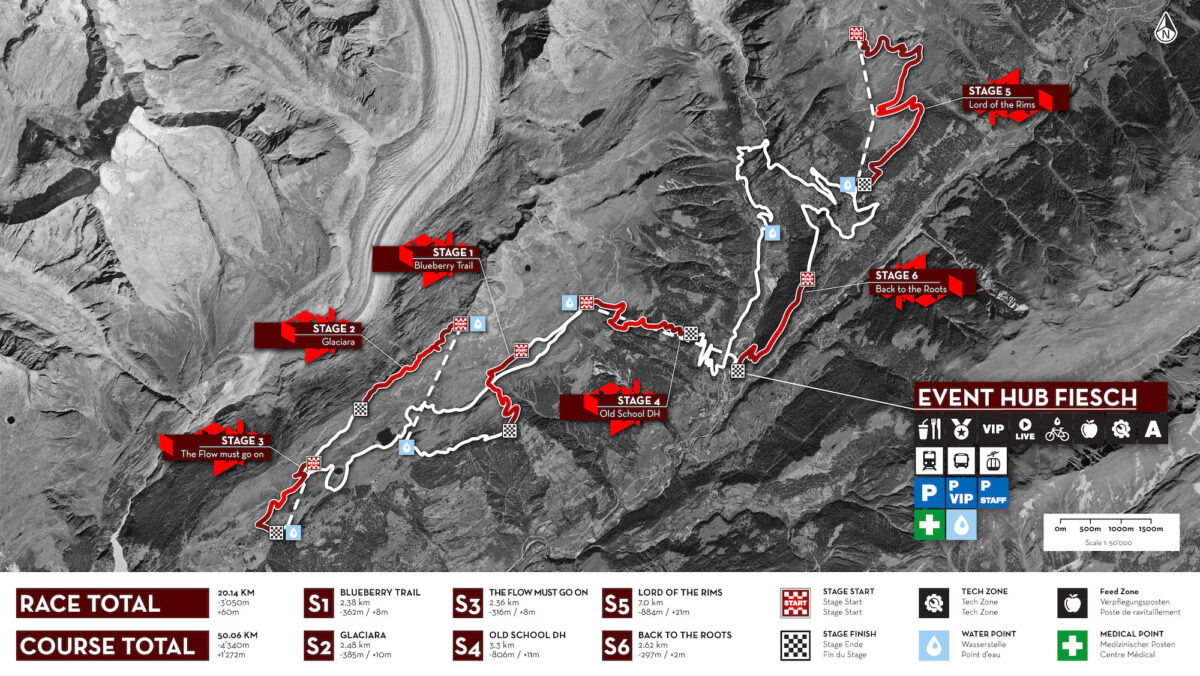
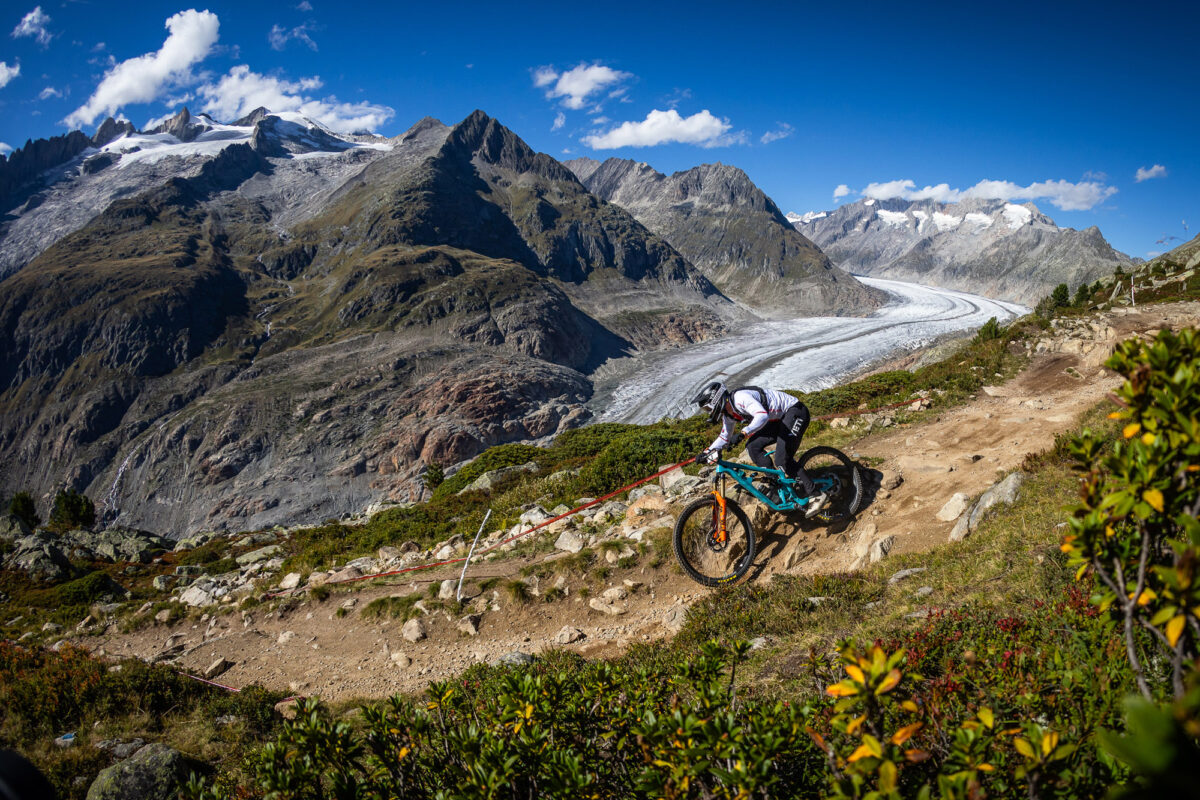
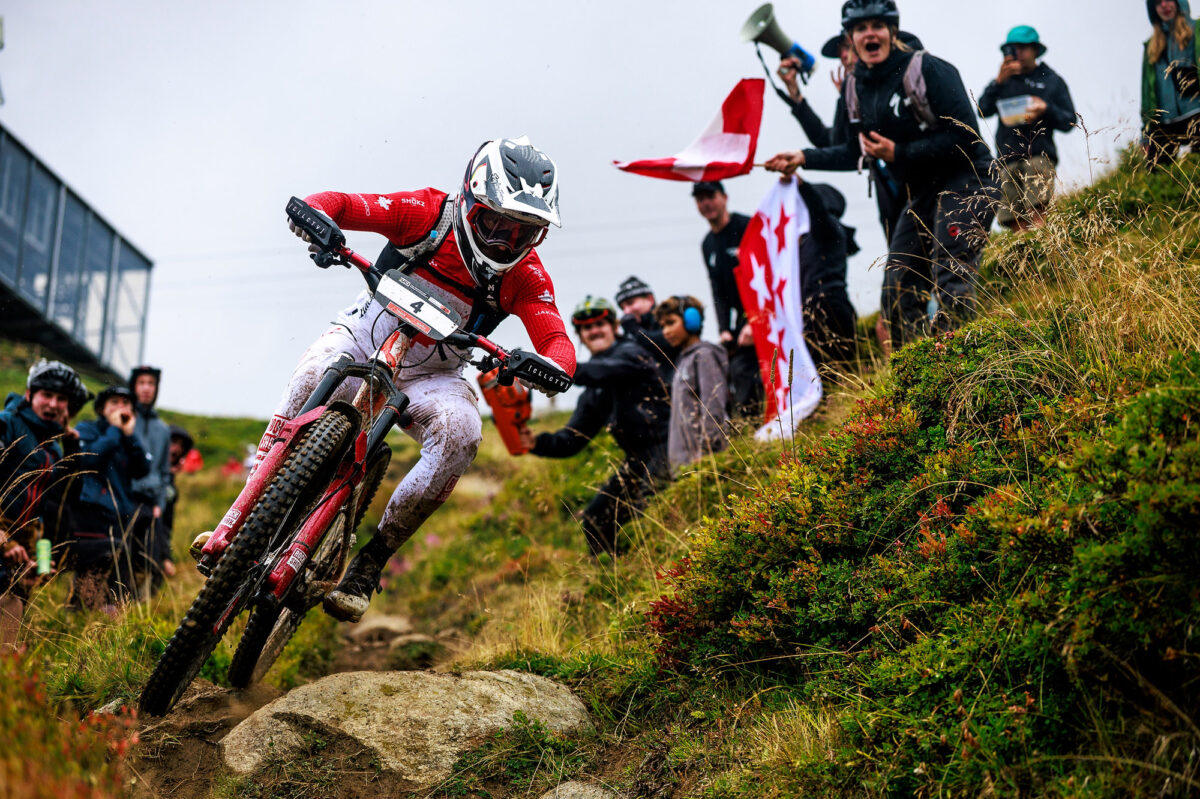
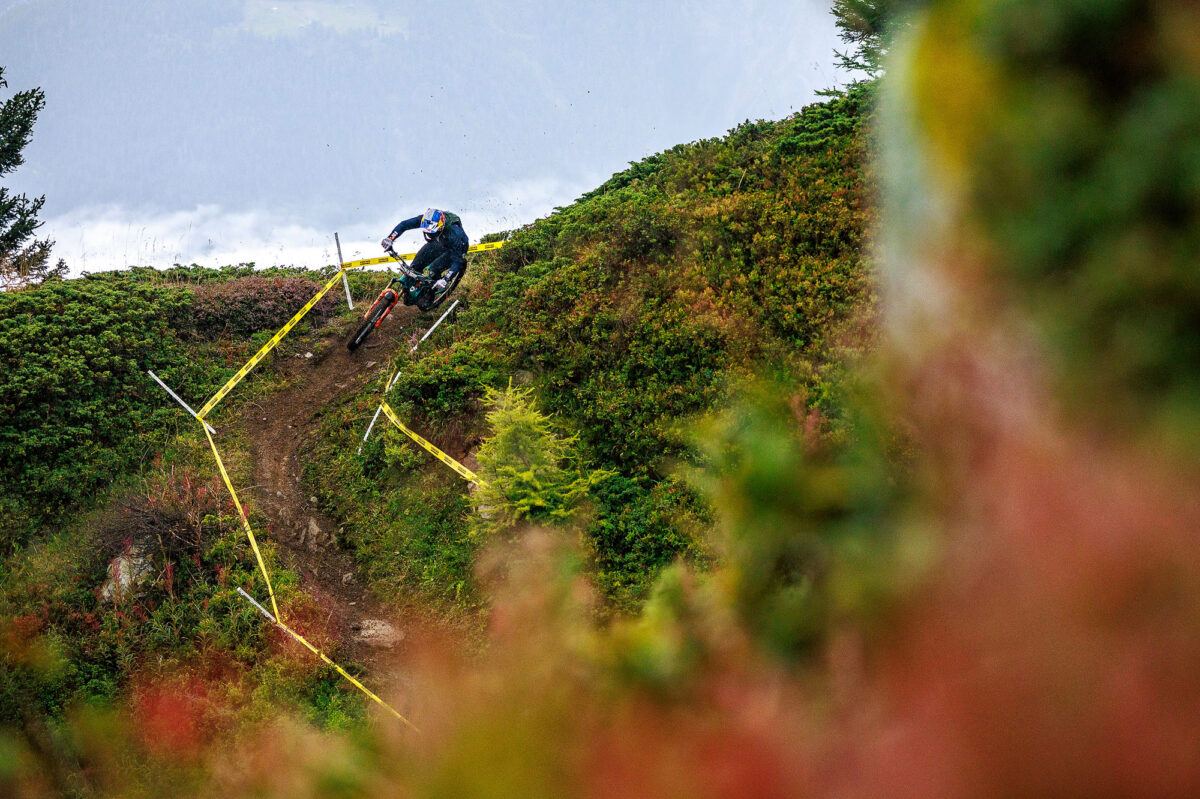
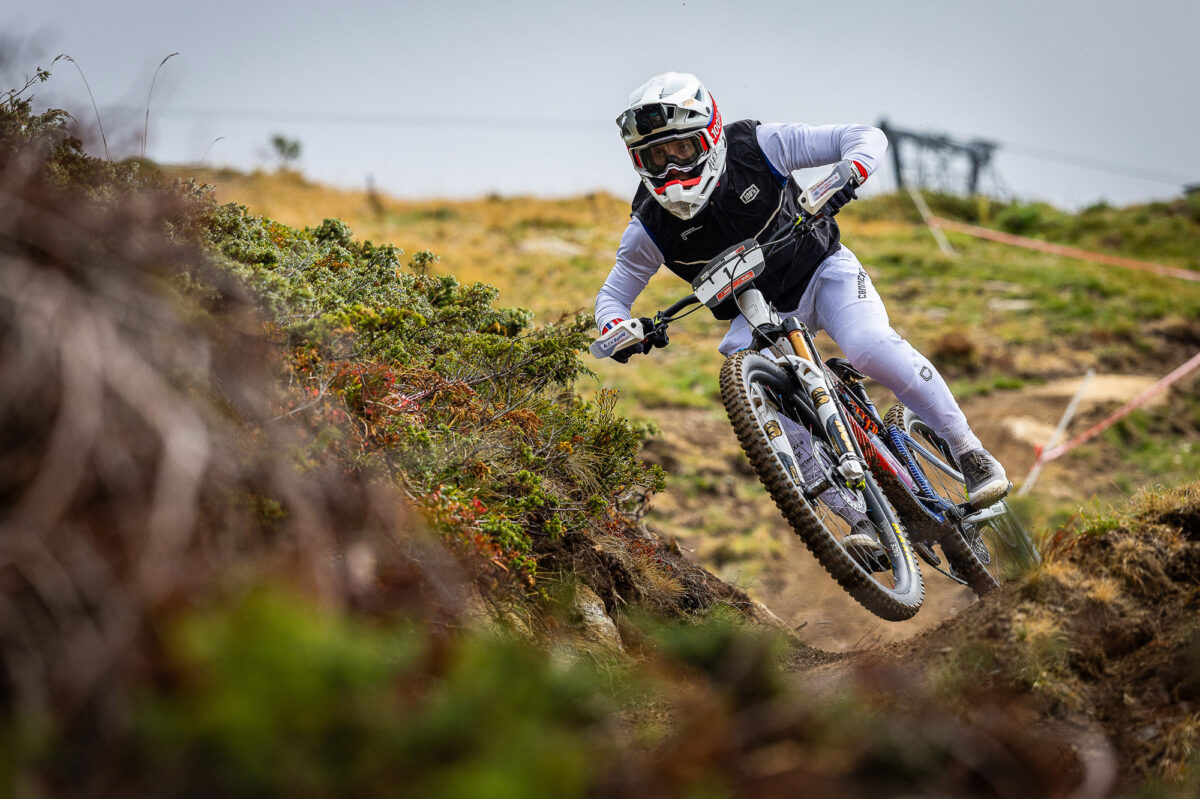
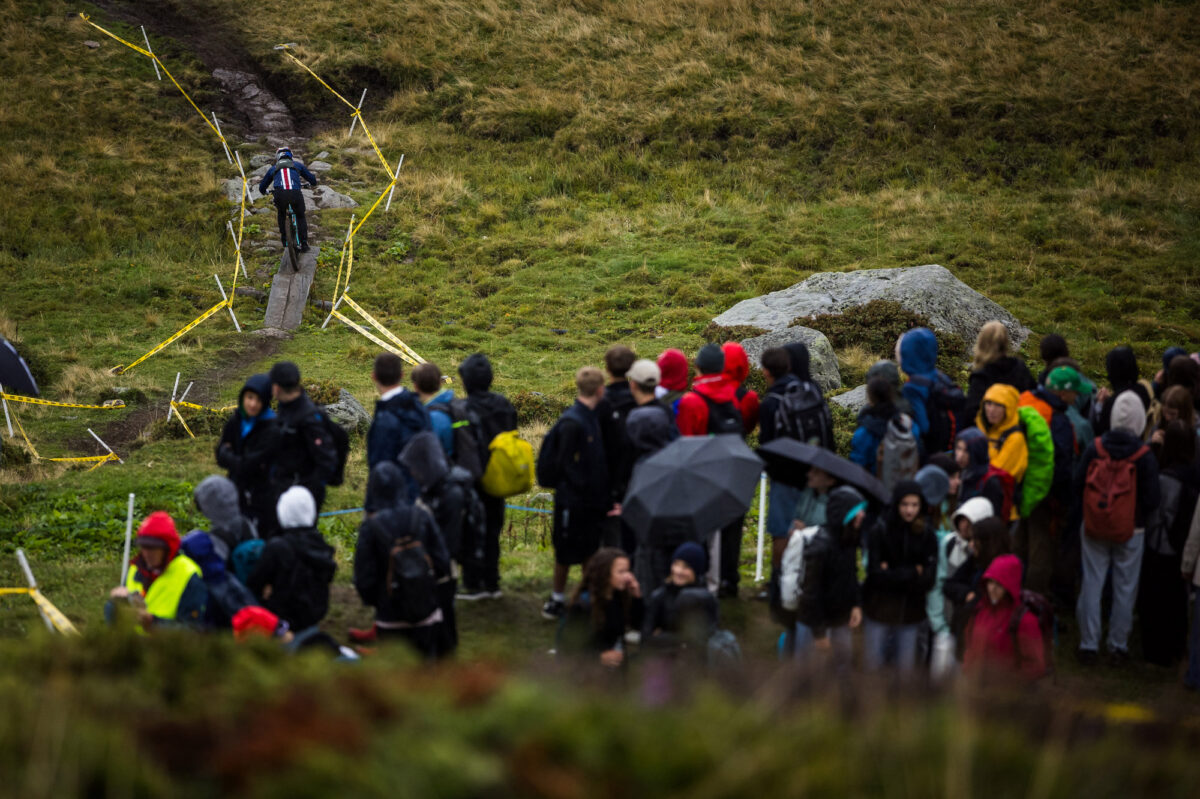
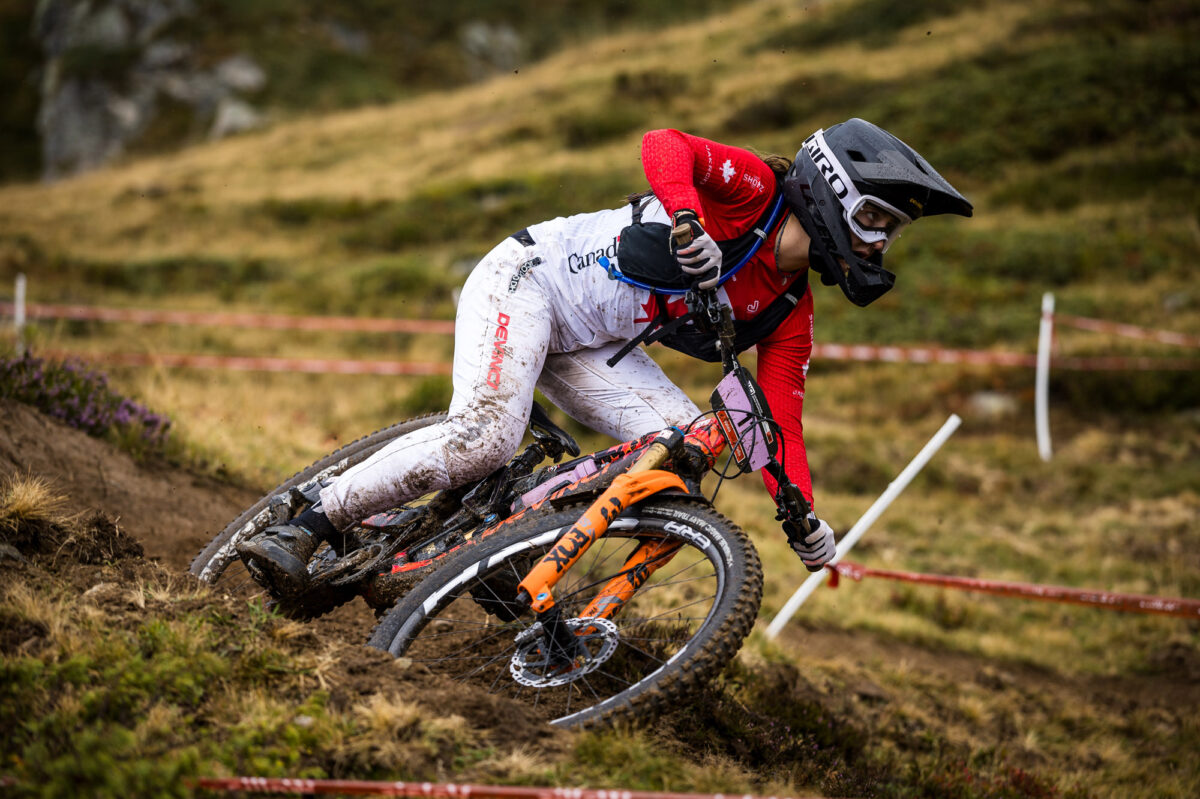
“Enduro is the mountain bike equivalent of a rally,” as the UCI aptly puts it. And that perfectly captures the atmosphere in the Aletsch Arena–Bellwald area: excitement, action, and a truly great race vibe. Since 2022, the event expertise required for this discipline has been built up here – through two editions of the Swiss Enduro Series and last year’s first World Cup race. From the very beginning, we have been involved in course design, stage preparation, and final refinements. A highlight was Stage 5 in the Bike Park Bellwald. It was created by combining two trails, Lord of the Rims and Into the Wild, forming the longest stage (7 km).

The Enduro World Championships brought Bellwald and the Aletsch Arena even closer together. With the upcoming “Unnergoms” municipal merger (Bellwald, Fiesch, and Lax) and the planned cable car project between Fiesch and Bellwald (directly connected to the public transport hub), the destinations are also moving closer together institutionally and infrastructurally. The enduro focus is also noticeable in Aletsch Arena’s marketing: this season saw the launch of the sub-brand Aletsch Enduro. And the best part: the enduro spectacle will remain part of the UCI World Cup circuit for at least three more years – a strong signal for the future of the MTB destination Aletsch Arena–Bellwald!
#2 Short Track Under the Matterhorn – Tension Until the Final Corner
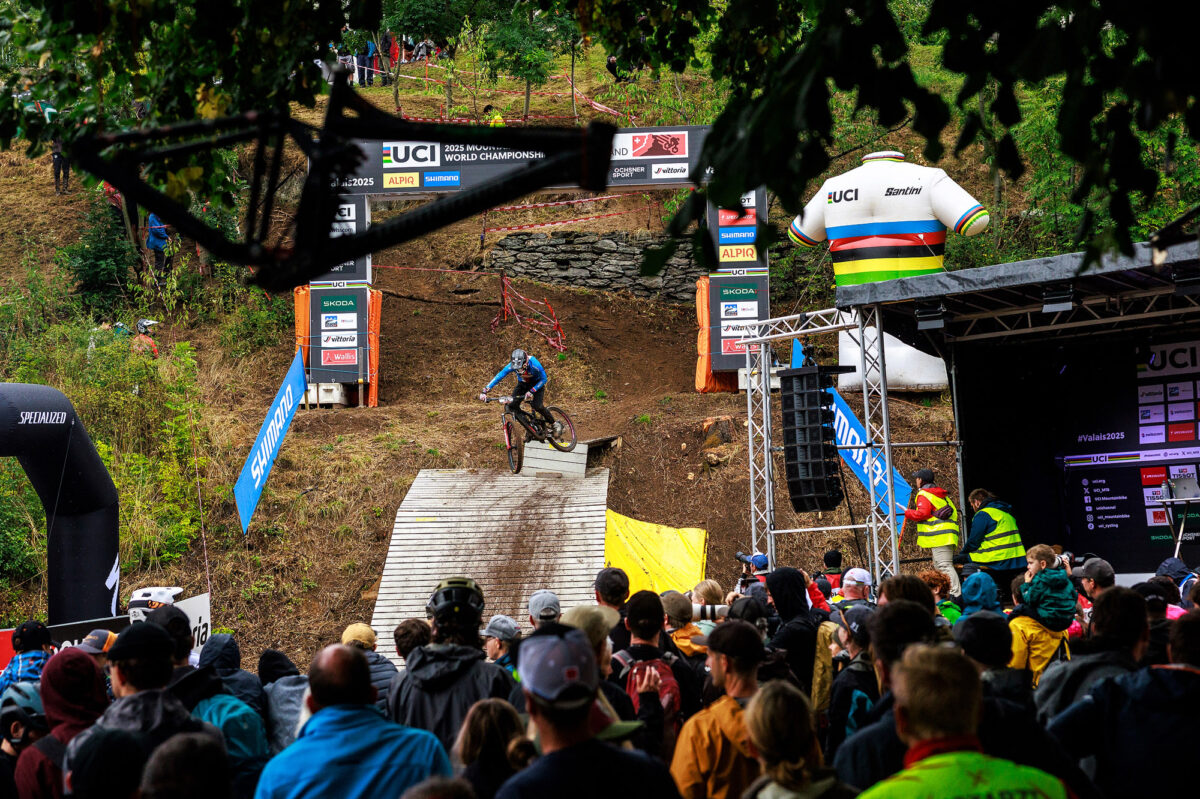
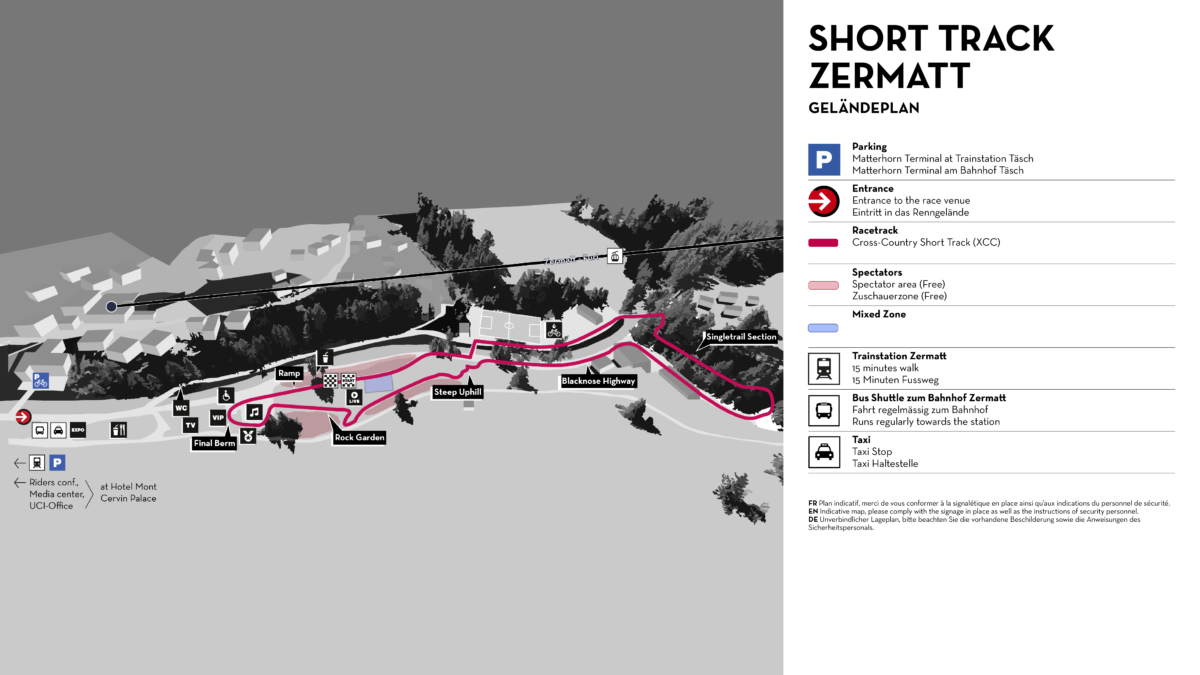
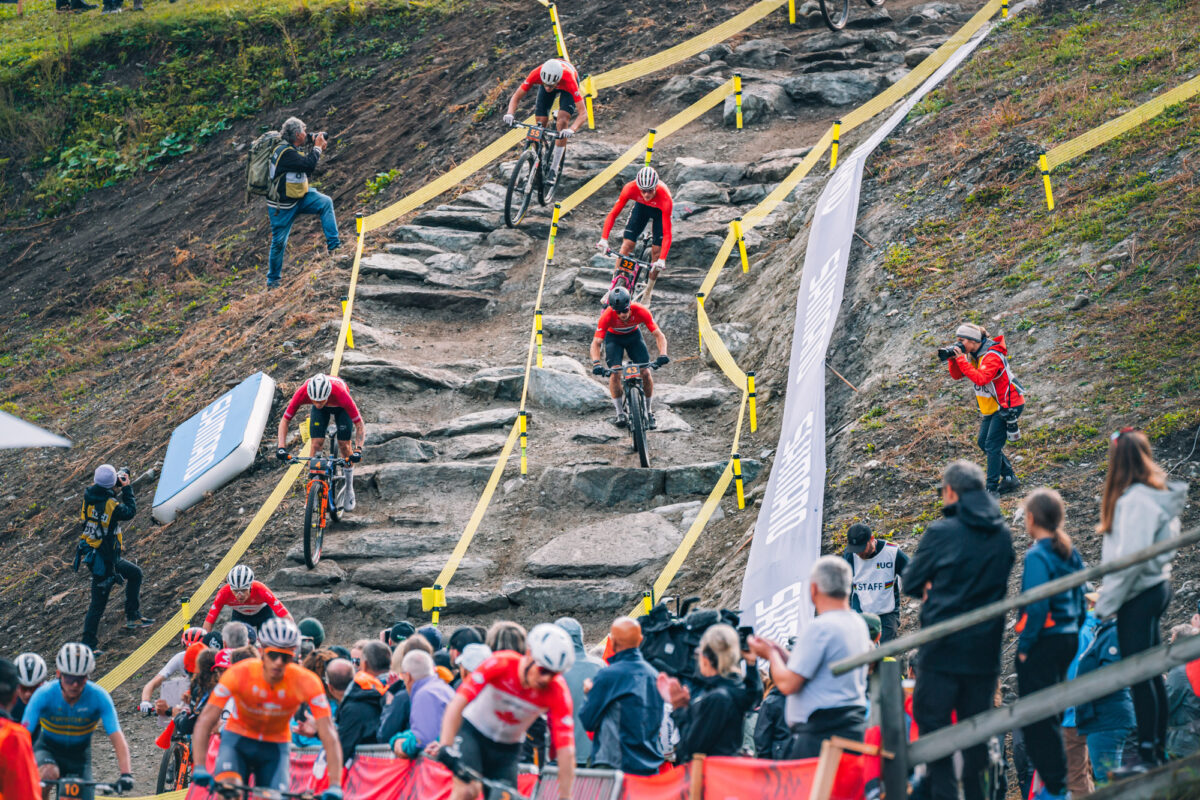
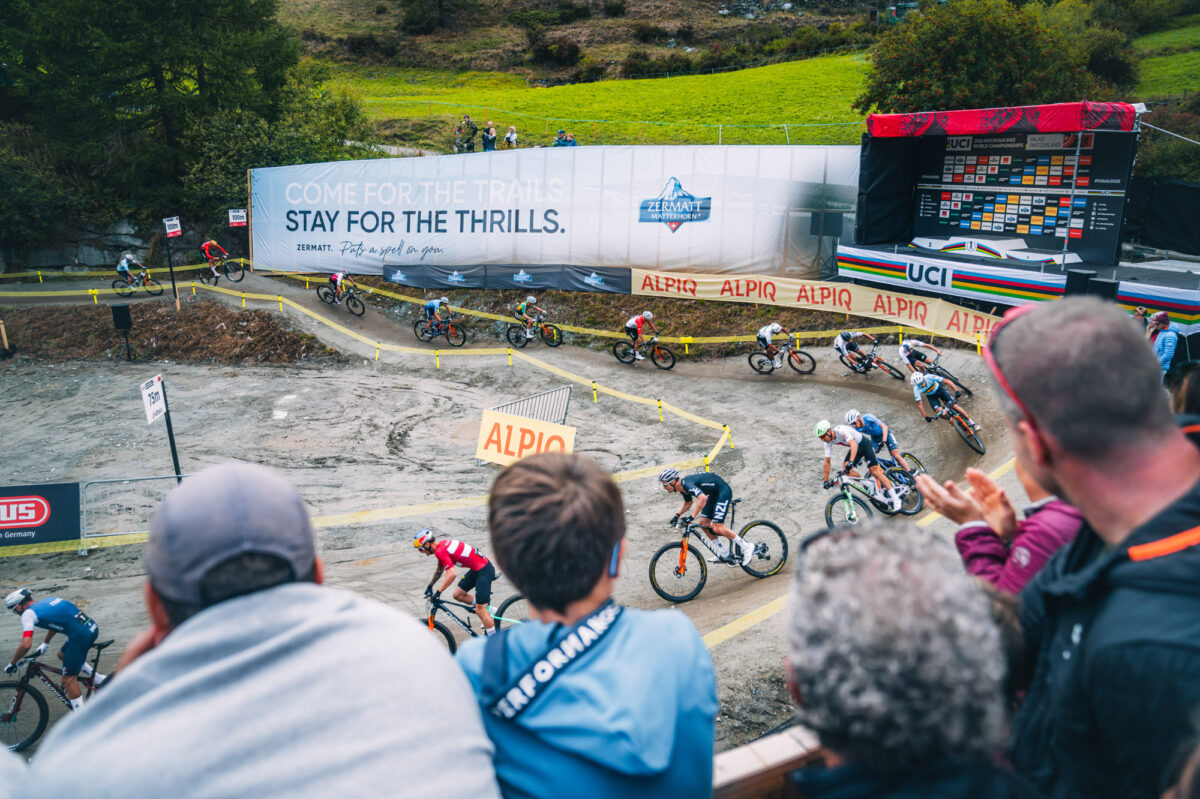
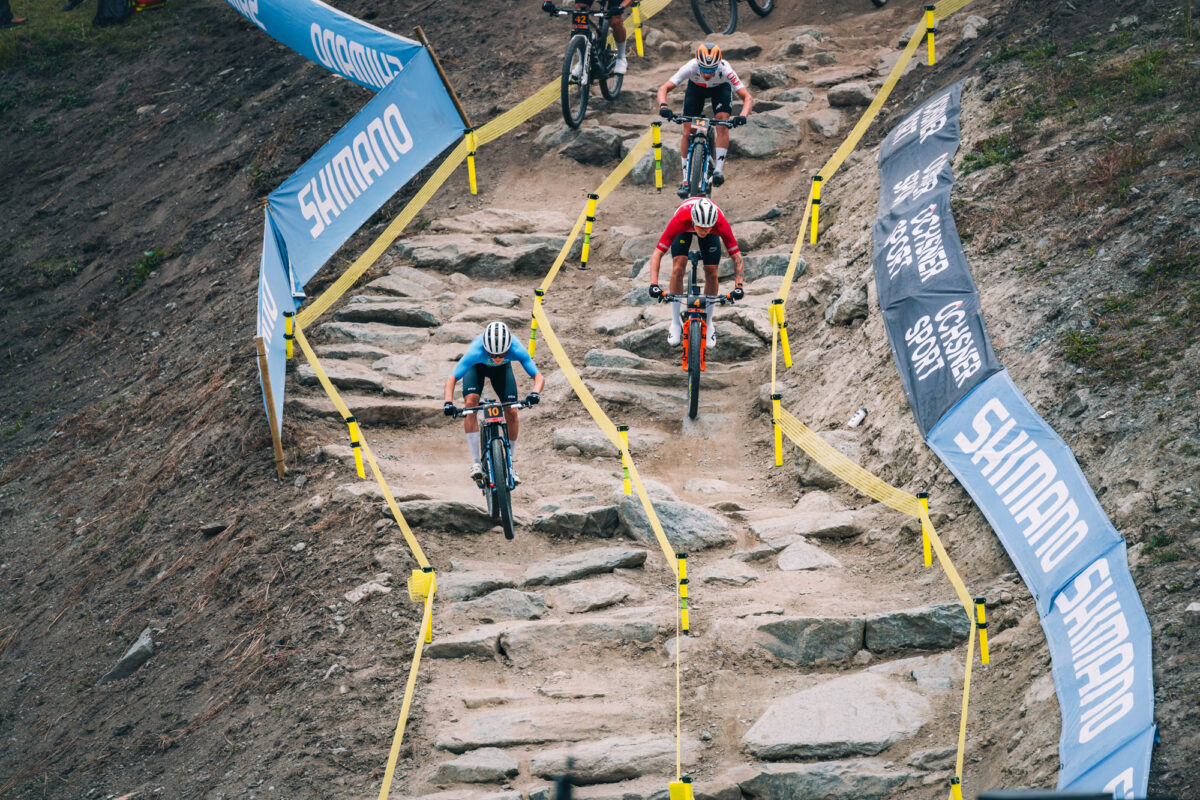
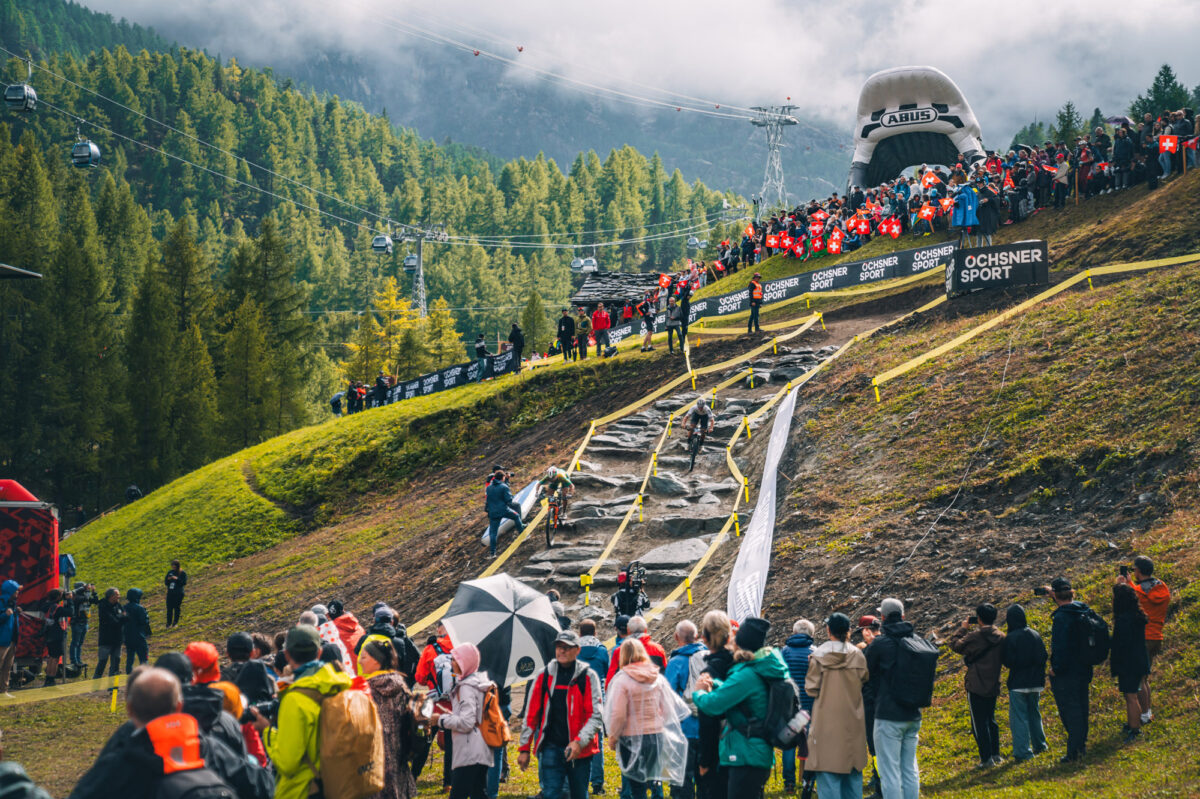
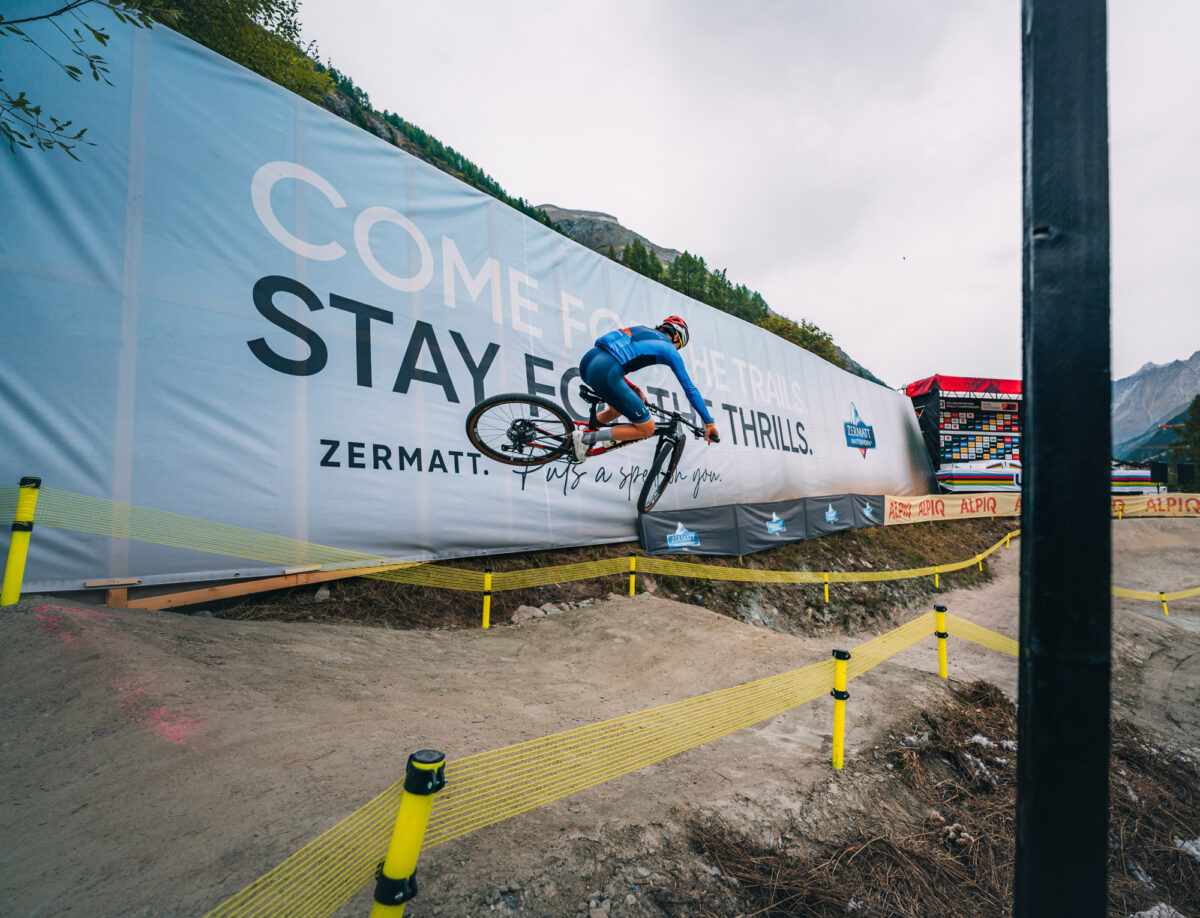
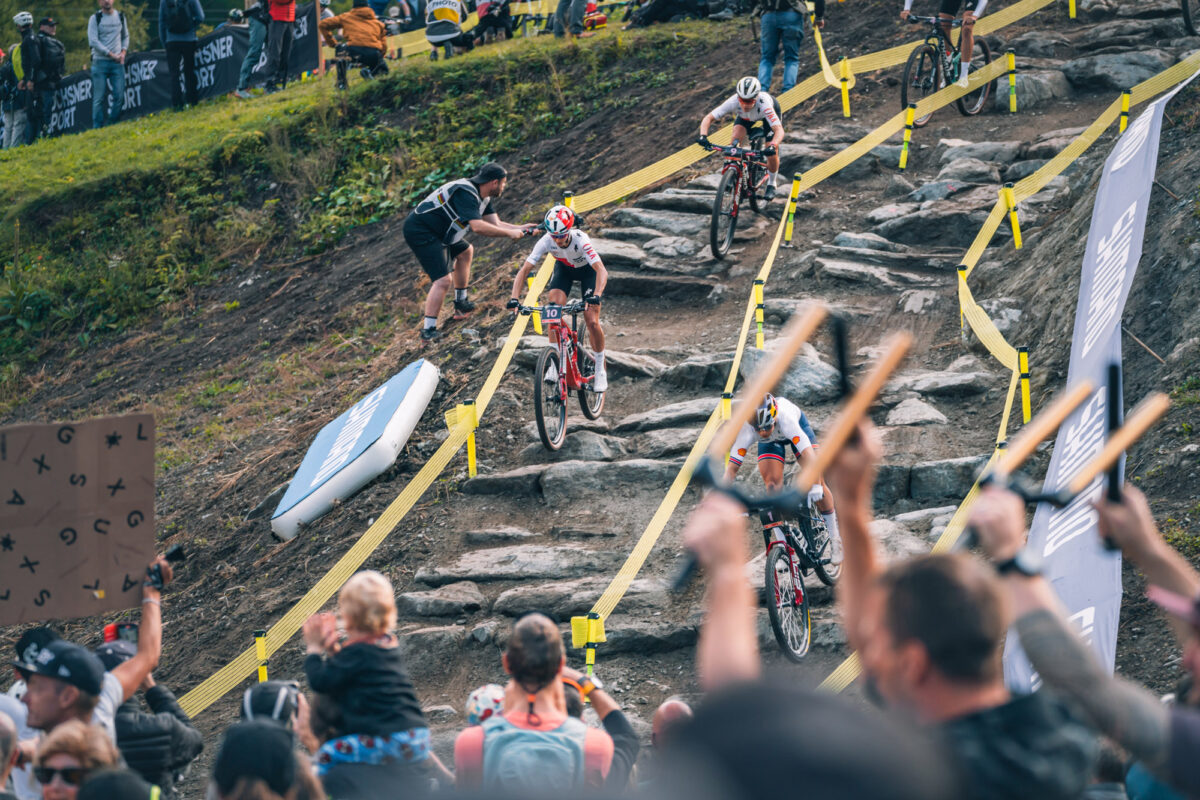
For the Short Track (XCC) in Zermatt, Vast Trails was responsible for building and dismantling the temporary rock garden, as well as two additional trail features: a step-down jump and a large berm. The challenge: create a technical yet safe obstacle with relatively little construction effort on a course that is usually fast and somewhat monotonous (1.2 km). The rock garden, perfectly tuned for cross-country bikes, added the required spice to the race. With reduced suspension travel and lightly profiled tires, precision was essential – creating plenty of suspense. Two parallel lines enabled thrilling overtakes and dramatic final sprints. MTB legend and SRF expert Thomas Frischknecht commented enthusiastically: “Both lines are very well built; both are exactly the same speed. Whoever takes more risk will be faster at the bottom.”

#3 E-MTB Cross Country – A Home Race on Familiar Trails
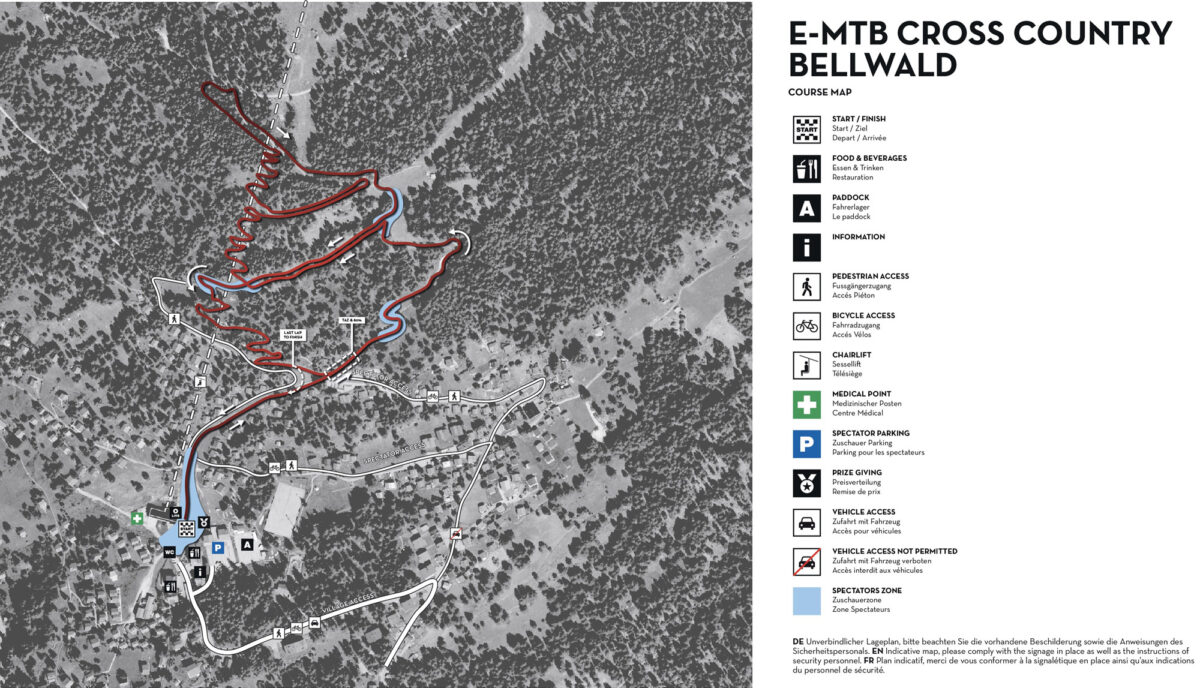
The E-MTB Cross Country course location was determined very late (due to various factors, particularly feasibility across the destinations). Improvisation and creativity were therefore key in designing a suitable loop in the Bike Park Bellwald within a very short time. Anyone who knows Bellwald can imagine it well. A great deal of Vast Trails DNA shaped the course: large parts were made up of existing trails in the bike park that we have built in recent years – notably Forest Bump, Into the Wild, and Dirty Cranking.
The compact loop combined flow-trail and downhill elements in both the climbs and descents. Thanks to its figure-eight layout, spectators could watch multiple key sections from nearly one single viewpoint. This created a compact and highly engaging race atmosphere.
More Than a Major Event
On a broader level, Valais 2025 generated positive impact in several ways. Four points particularly stood out to us:
- Strengthened Support for Sustainable Product Development
For many hosting destinations, development concepts and master plans – particularly the Bike Valais/Wallis project – formed the essential foundation. Many destinations were able to present an impressive offer by the time Valais 2025 arrived. Wherever possible, existing trails were used and specifically optimized for the races – a sustainable approach strengthening Valais as a bike destination beyond the World Championships. Examples include: all enduro stages were set exclusively on official and existing trails; the marathon race was integrated into the classic “Grand Raid”; and the legendary downhill track in Champéry was reactivated. When Valais 2025 was awarded by the UCI in 2020, it created significant tailwind to boost the MTB offering over the past five years. Through this major event, the sport has definitely reached a socially and politically relevant stage.
- Improved Collaboration Among Stakeholders – Regionally and Canton-Wide
The event intensified collaboration among stakeholders on multiple levels. For instance, within the Aletsch – Bellwald destination, the local organizing committee consisted of representatives from authorities, tourism, mountain railways, and clubs working together across municipal boundaries. The team became so effective that the Enduro World Cup will remain in the destination for the next three years. The EDR World Cup aligns perfectly with the destination strategy and its sub-brands Aletsch Enduro and Bike Park Bellwald. At the cantonal level, MTB-specific exchange between destinations was encouraged, and product development became more coordinated. Valais was able to strengthen its mountain bike identity and raise awareness for a unified, canton-wide MTB brand. Additional frameworks were created by authorities and regional development actors to simplify complex planning tasks.

- Global Visibility as the Mountain Bike Canton
Until now, mountain bike world championships have always been held in a single destination. The concept of hosting eight different disciplines across several destinations within one region over two weeks is new and unique. This approach fits perfectly with the cantonal strategy. Valais 2025 was an exceptional opportunity to present the wide variety of MTB offerings from the entire canton on an international stage.
- Sports Development and Community Building
Mountain bike tourism only works if the sport is truly lived by the locals. As part of Valais 2025, various legacy projects were launched in youth development, women’s participation, and talent promotion. From school sports to club sports and regional performance centers, the approach is holistic. These initiatives aim to root mountain biking deeply within society. A touching example emerged after the Short Track race in Zermatt: the kids of the Bikeclub Mattertal rode the racecourse together to the applause of the spectators – a memory that will surely last!
What the true legacy of these World Championships will be can only be assessed in a few years. Much has already been achieved. For further sustainable development, all stakeholders must continue to collaborate cooperatively, in alignment and with a forward-looking mindset, to shape the mountain bike canton of Valais/Wallis in the spirit of Valais 2025.